- Need Free Consultation ?

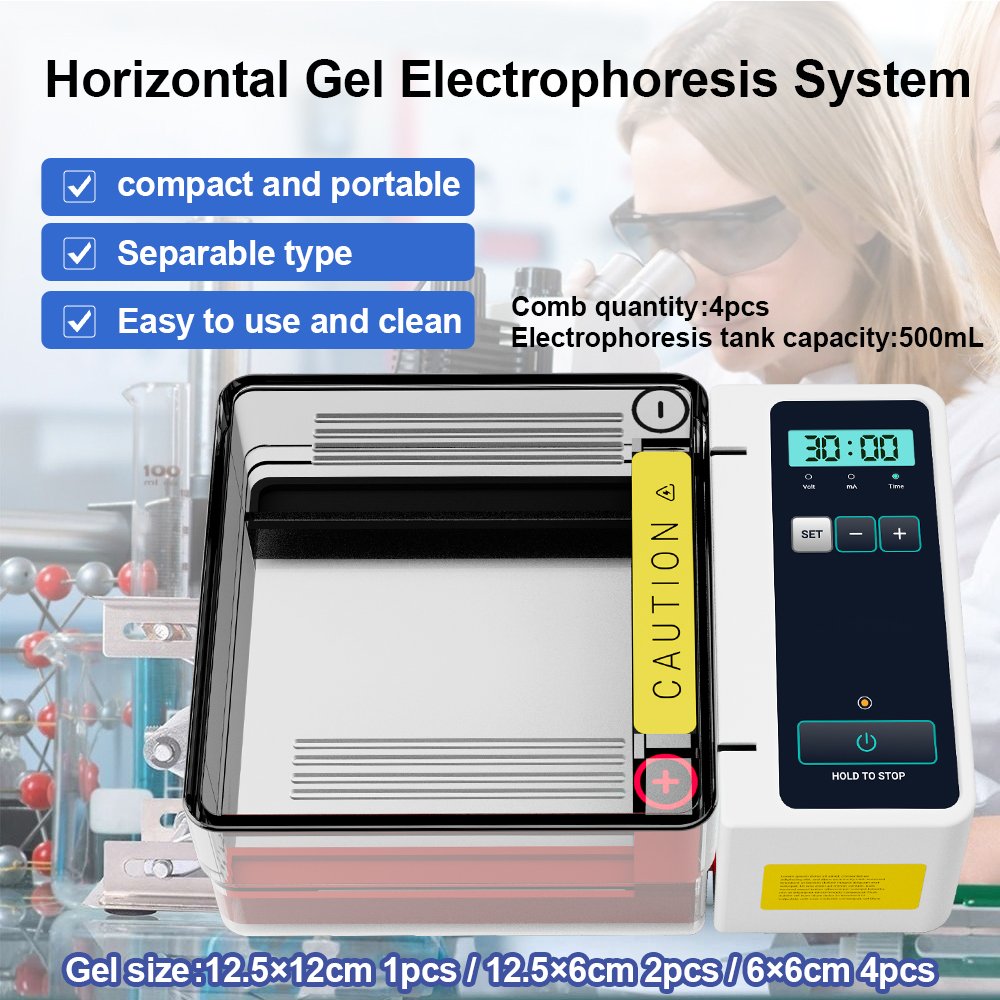
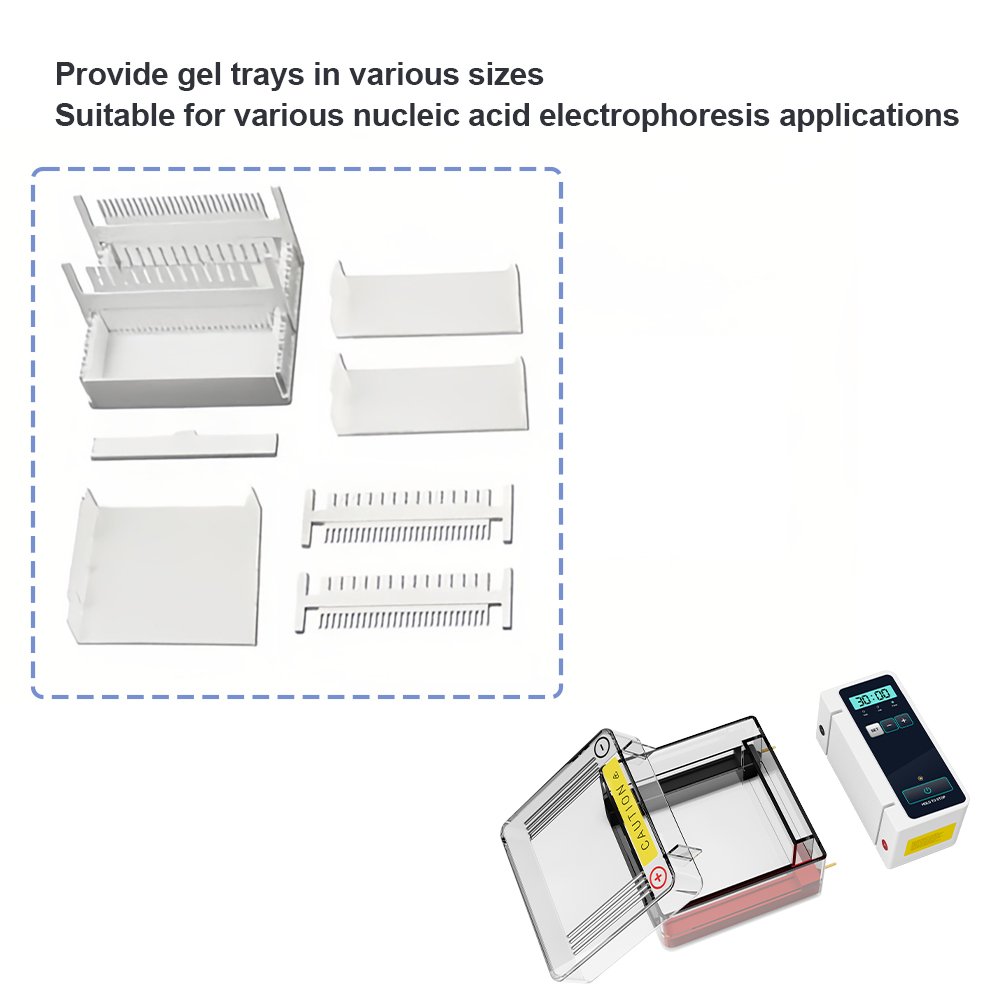
Horizontal Gel Electrophoresis System is a fundamental instrument in molecular biology laboratories used to separate, identify, and purify nucleic acid fragments (DNA and RNA) based on their size.
In this system, a gel, typically made of agarose, is cast and submerged in a running buffer within a horizontal tank. Samples mixed with a loading dye are placed into wells on one end of the gel. When an electric current is applied, the negatively charged nucleic acids migrate through the gel matrix from the cathode (negative) toward the anode (positive) terminal. Smaller fragments move faster and farther than larger ones, resulting in distinct bands.
Its key advantages include simplicity, safety, and cost-effectiveness for routine analysis of nucleic acids. It is primarily used for tasks such as verifying PCR products, checking DNA quality after extraction, and estimating fragment sizes using a DNA ladder standard. This makes it an indispensable tool for research, education, and diagnostics.