- Need Free Consultation ?

CX130
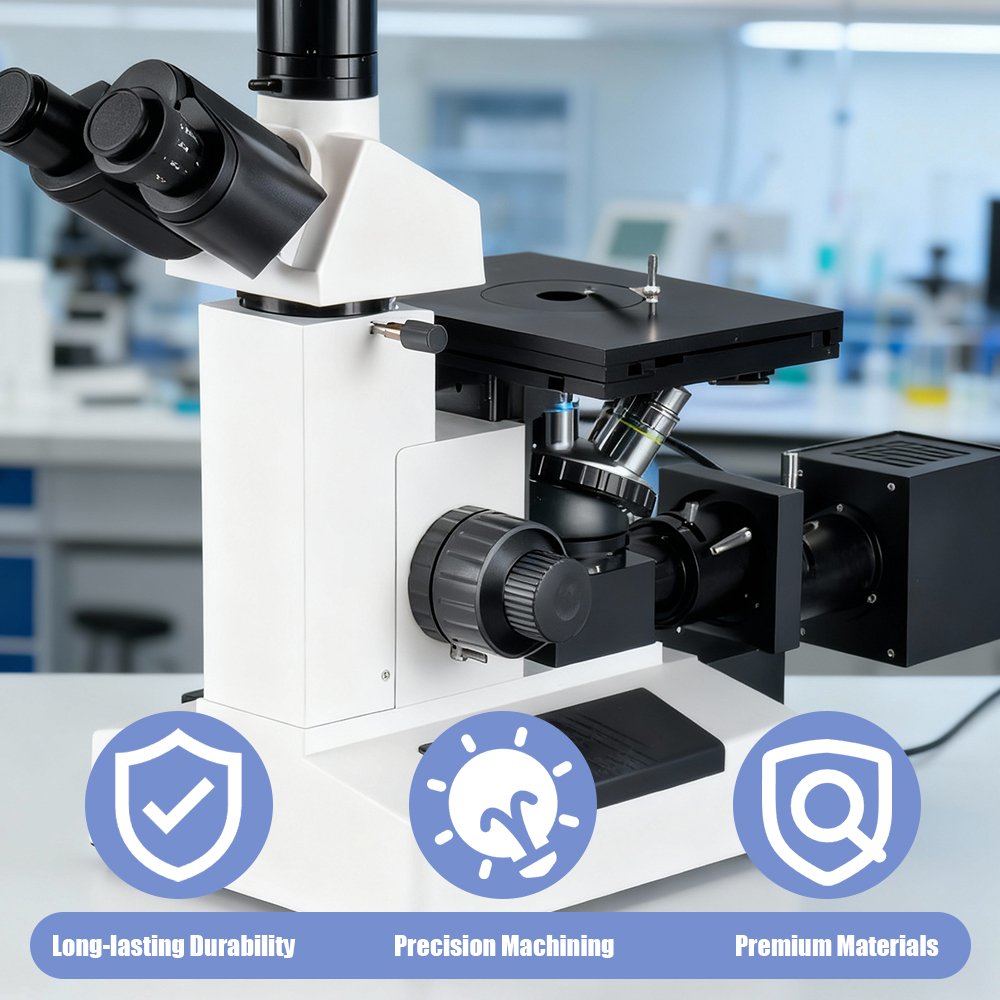
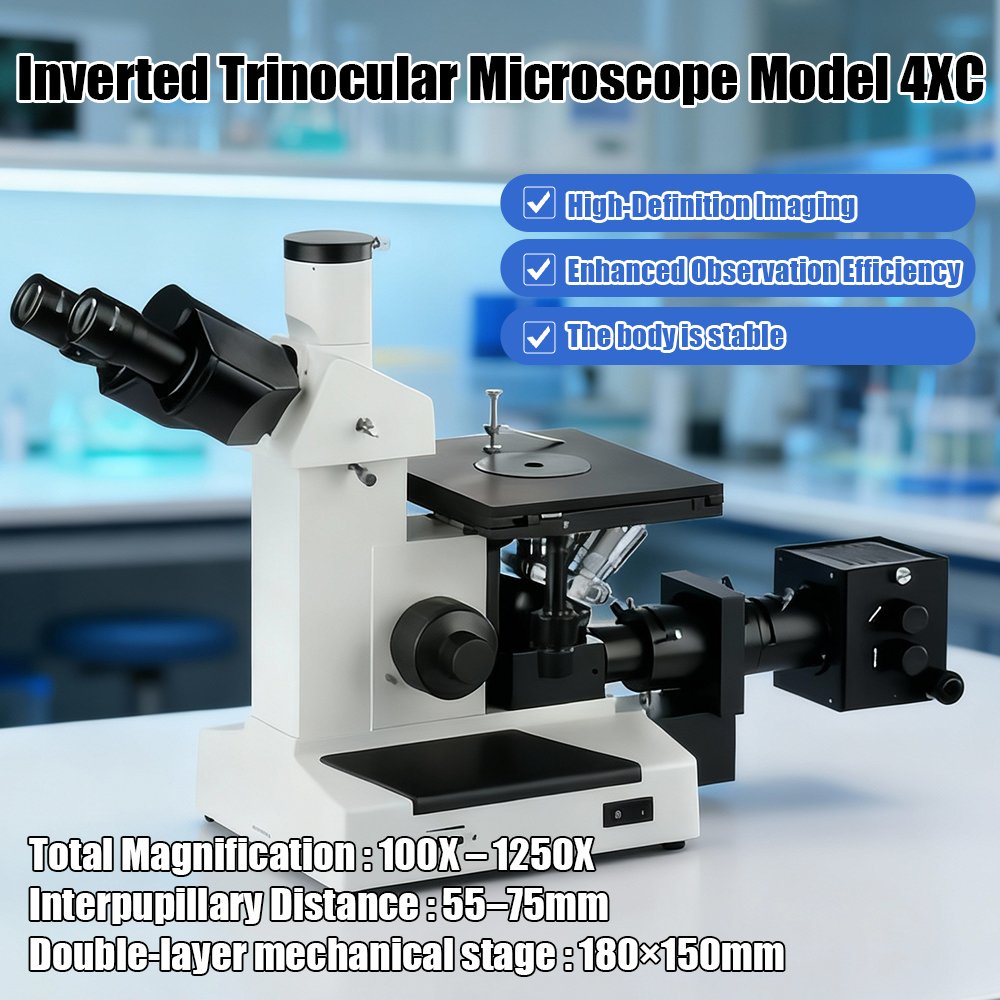
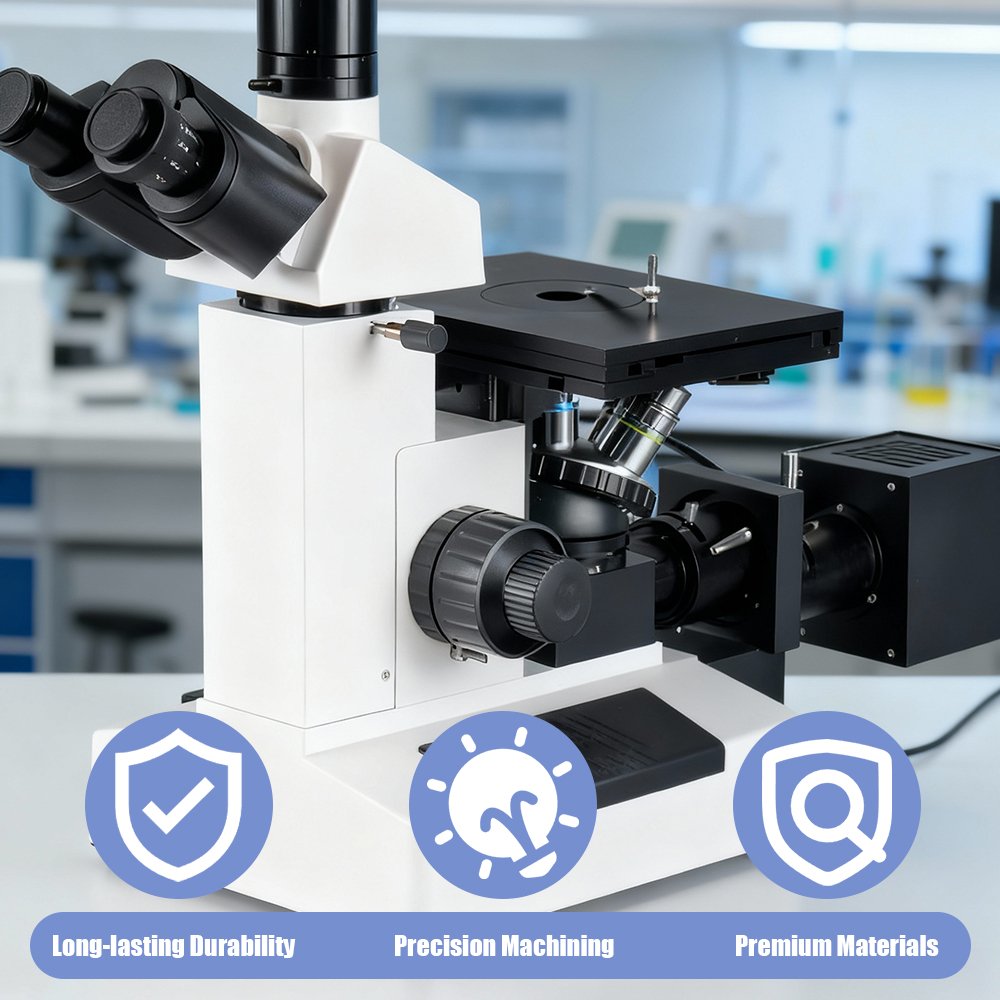
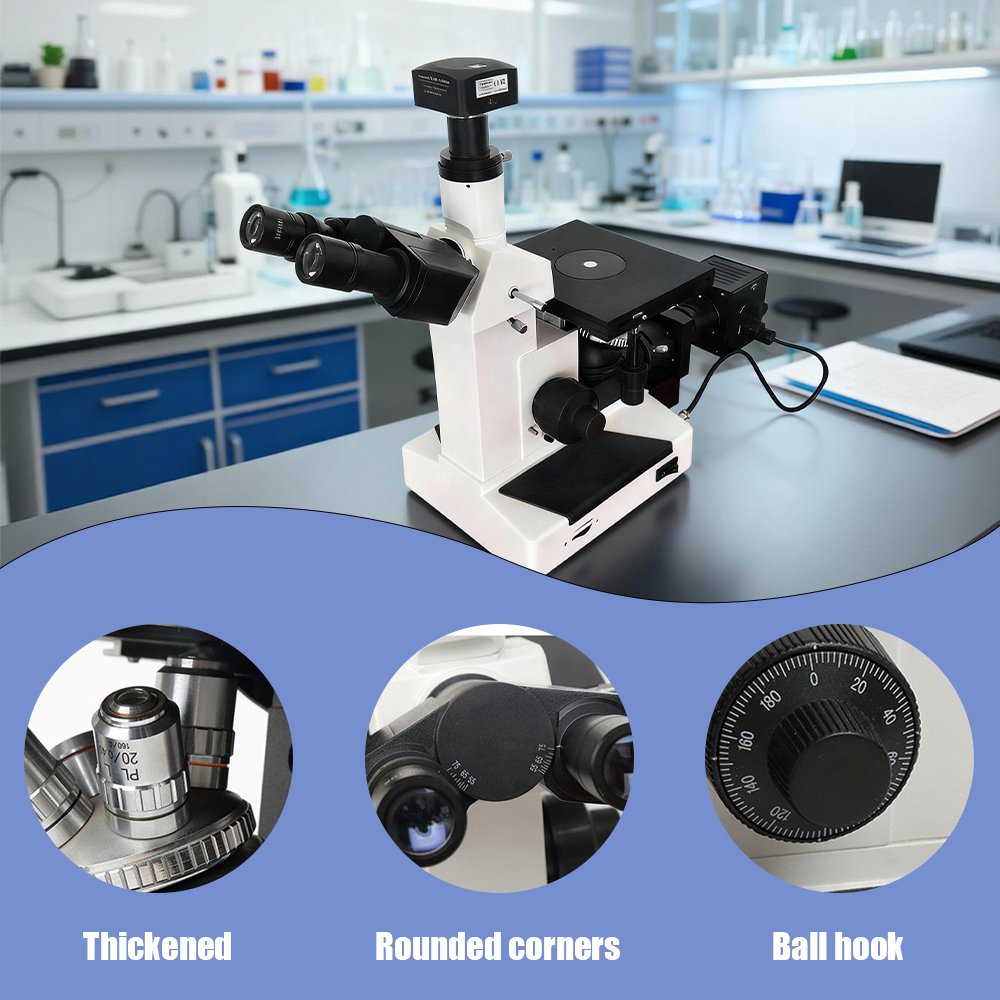
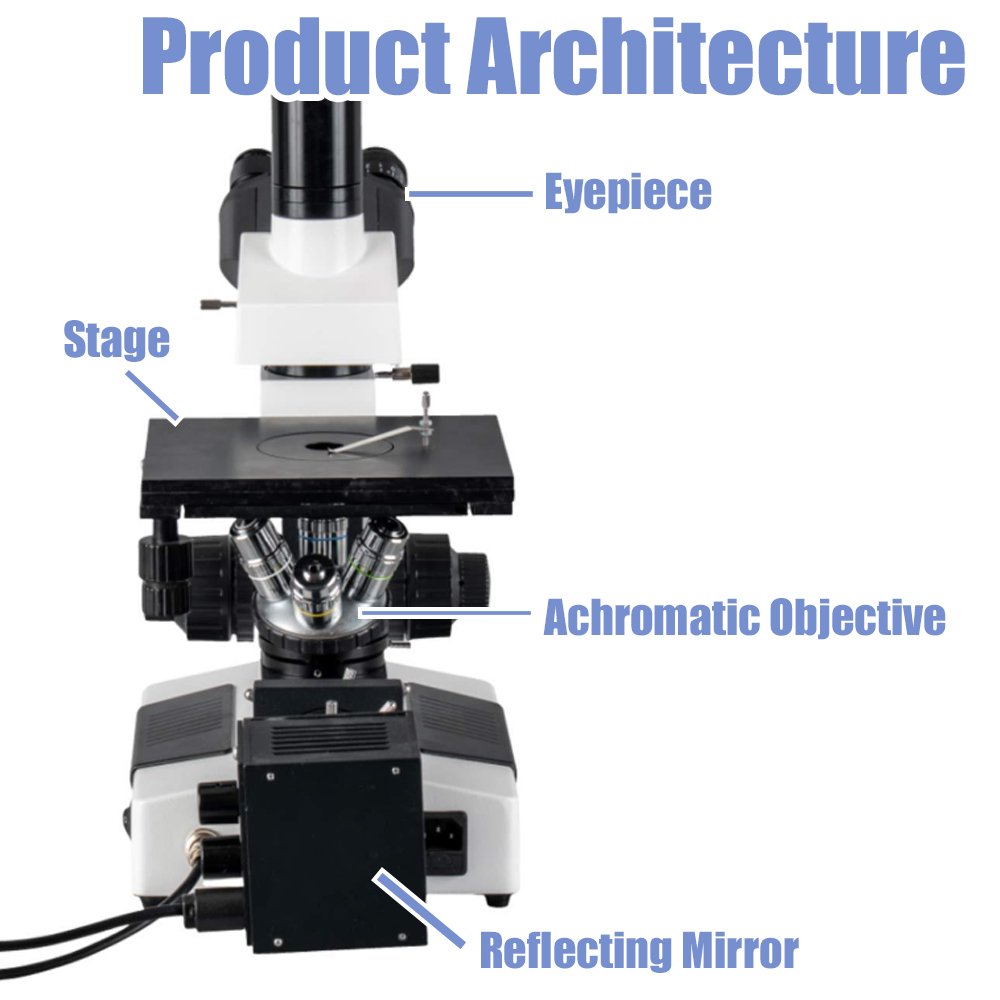
An inverted trinocular microscope is a specialized optical instrument designed for observing specimens from below, distinguishing it from traditional upright microscopes. As the name suggests, it features a unique “inverted” optical path where the objectives are located beneath the specimen stage, and the illumination system is above. This configuration is particularly advantageous for examining samples in containers like petri dishes, culture flasks, or multi-well plates, as it allows ample working distance for bulky vessels.
The “trinocular” head is its second key feature, incorporating two eyepieces for binocular viewing and a third, vertical port dedicated for camera attachment. This enables simultaneous direct observation and high-quality digital imaging or video recording without compromising ergonomics. The integrated camera path often includes a beam splitter to direct light either to the eyes or the camera, facilitating seamless documentation.
This microscope is indispensable in dynamic life science research, especially in fields such as cell biology, developmental biology, and microbiology. Its primary application is for live-cell imaging, where researchers can monitor living cells or organisms over extended periods within incubators or controlled environmental chambers. The inverted design minimizes disturbance to the culture, ensuring cell health and enabling long-term time-lapse studies. It is also widely used in in vitro fertilization (IVF), cancer research, and toxicology assays.
In summary, the inverted trinocular microscope is a cornerstone tool for modern microscopy, perfectly merging ergonomic live specimen observation with efficient digital documentation capabilities.