- Need Free Consultation ?

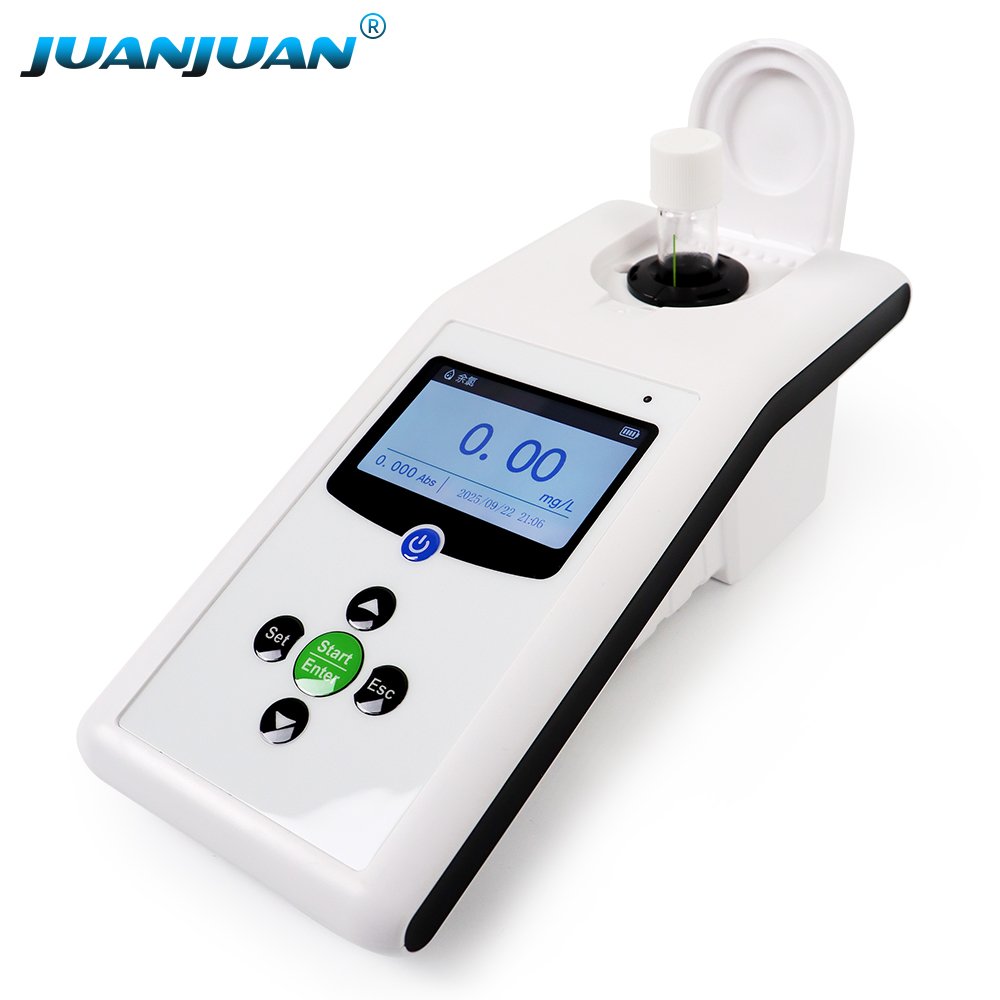
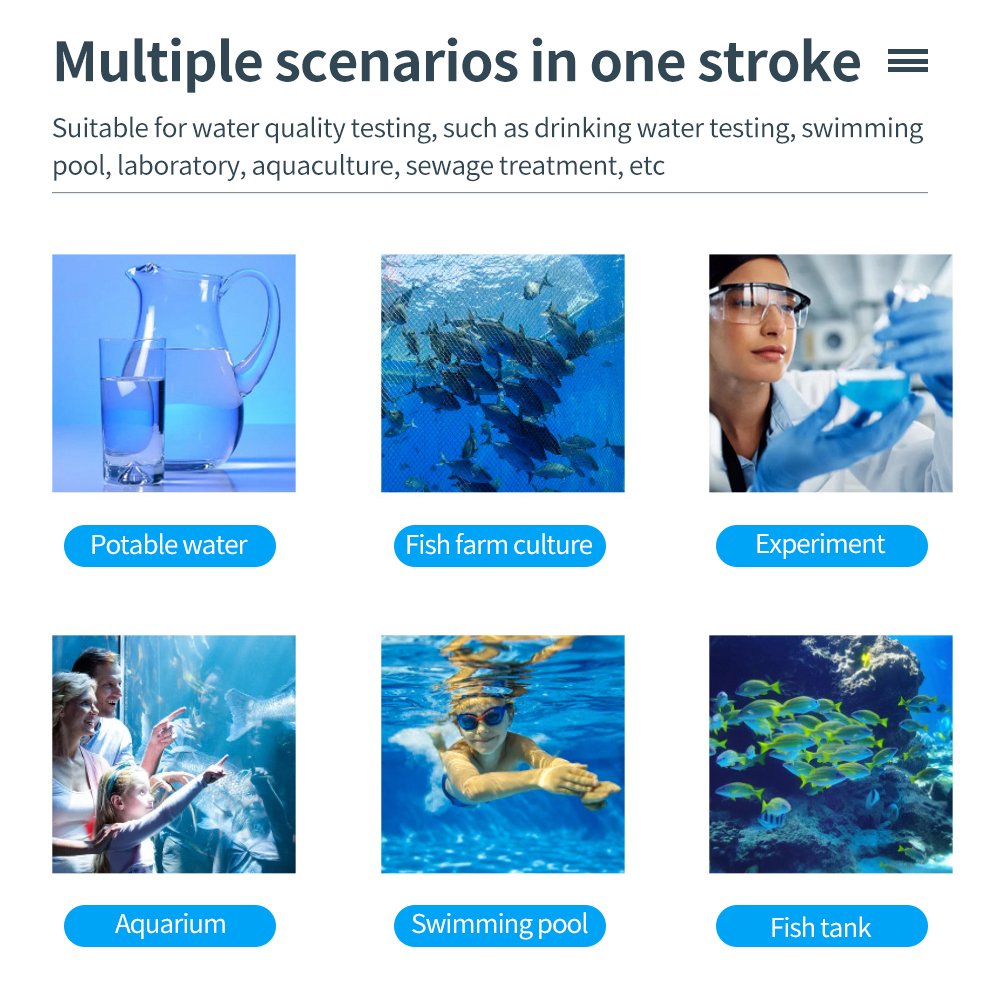
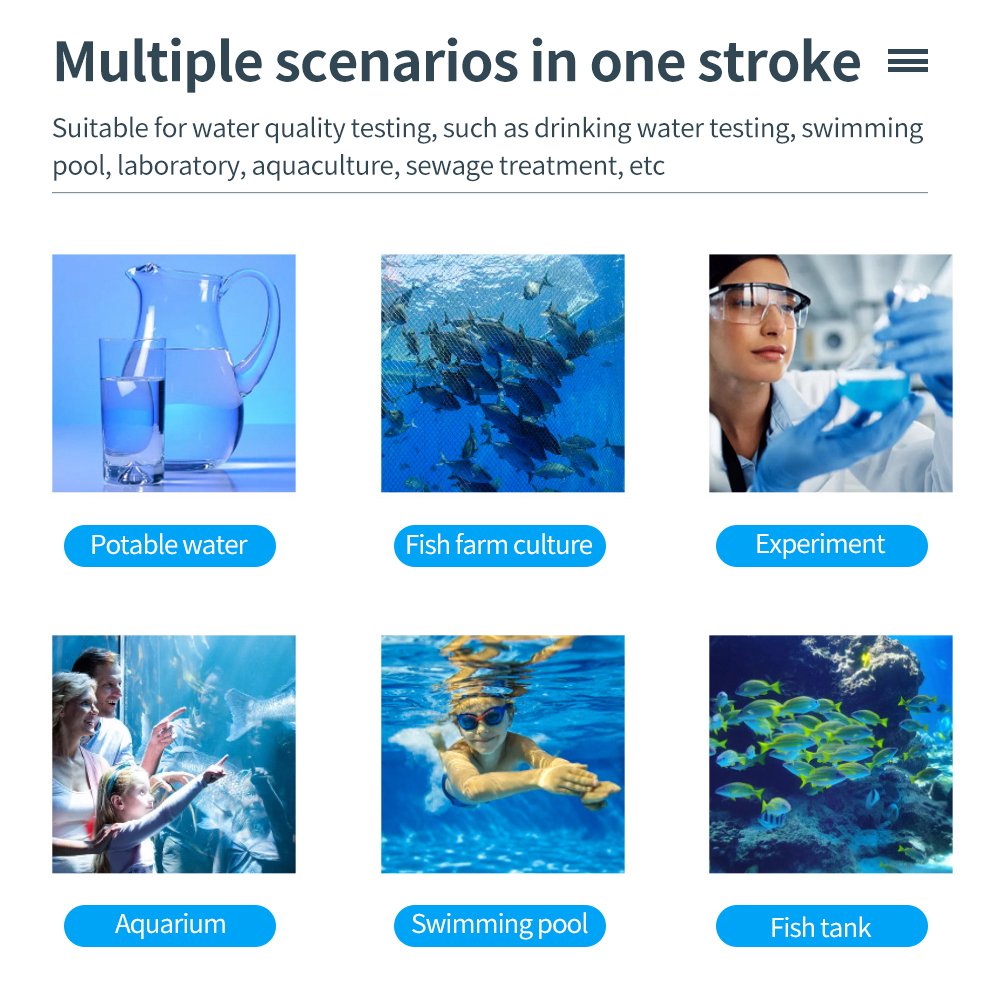
This residual chlorine detector is an essential analytical instrument designed to measure the low concentration of free or total chlorine remaining in water after a disinfection process. It is widely used to monitor drinking water safety, ensure effective disinfection in municipal supplies, and maintain water quality in industries like food and beverage, pharmaceuticals, and swimming pools.
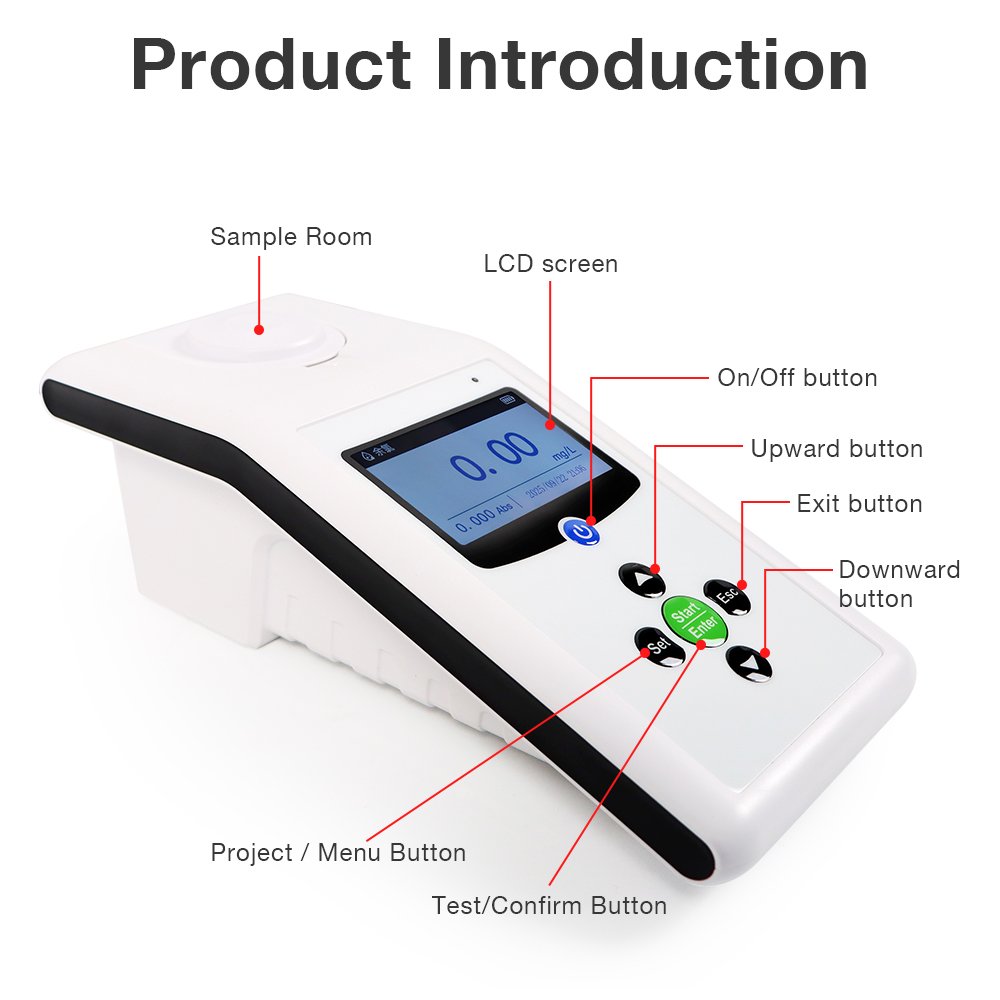
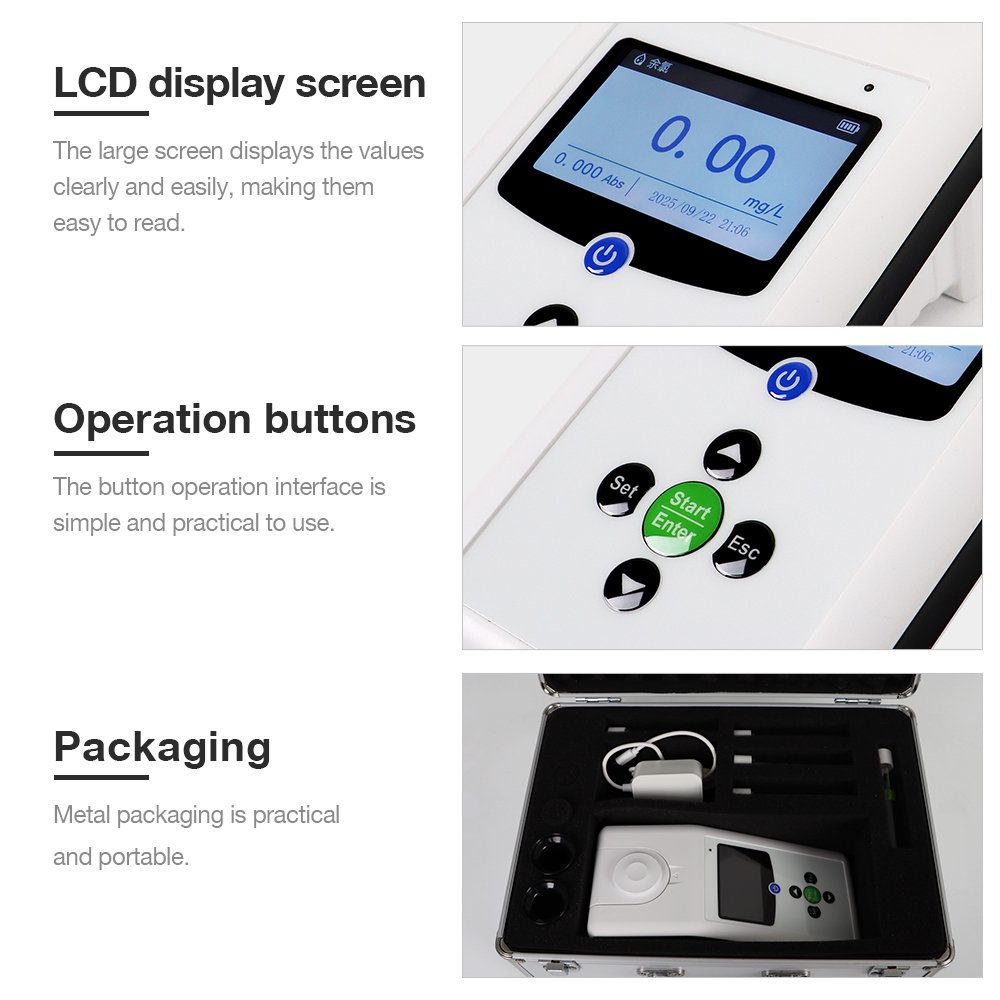
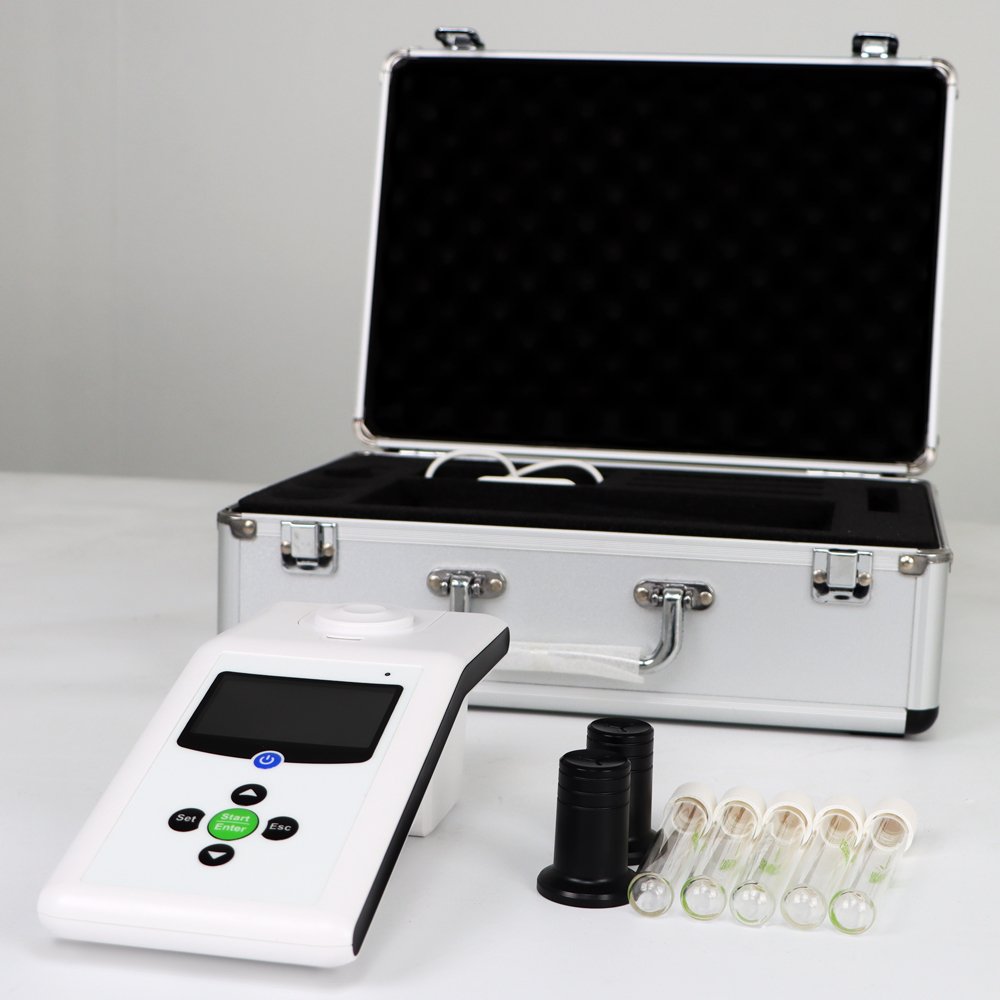
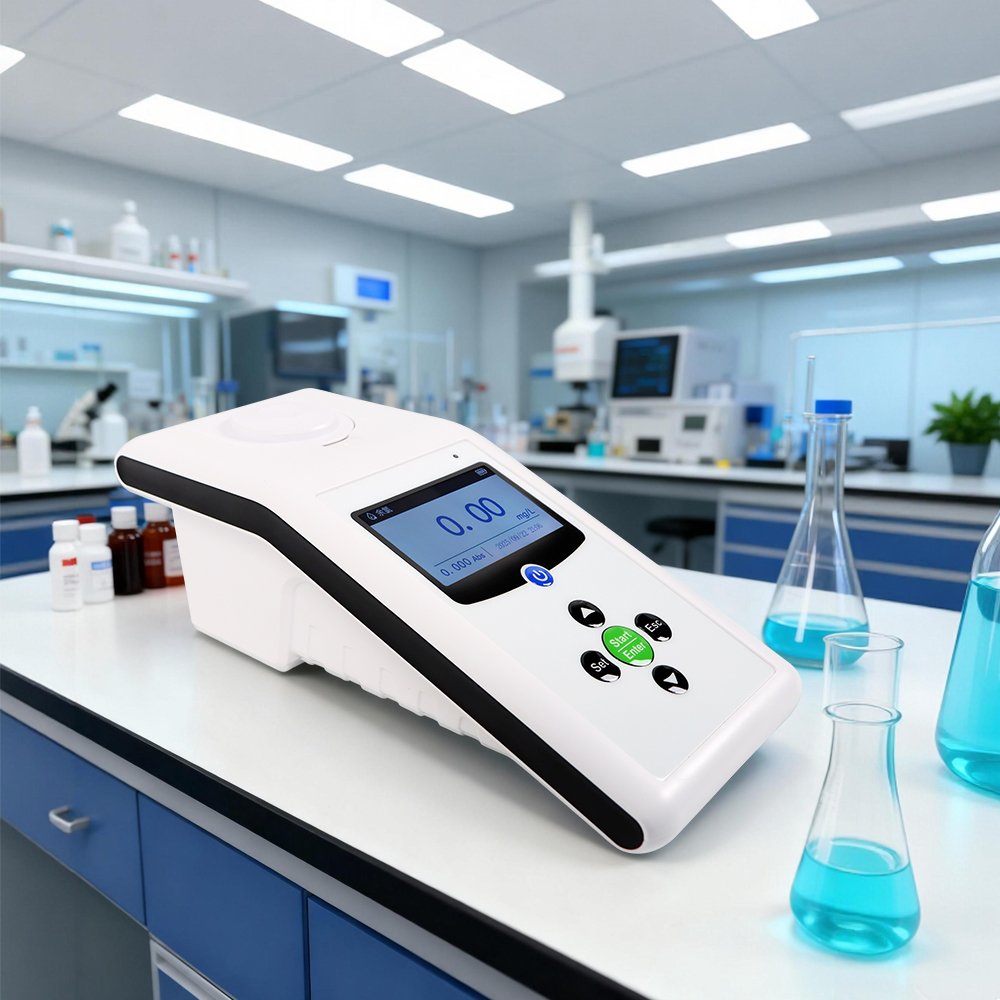
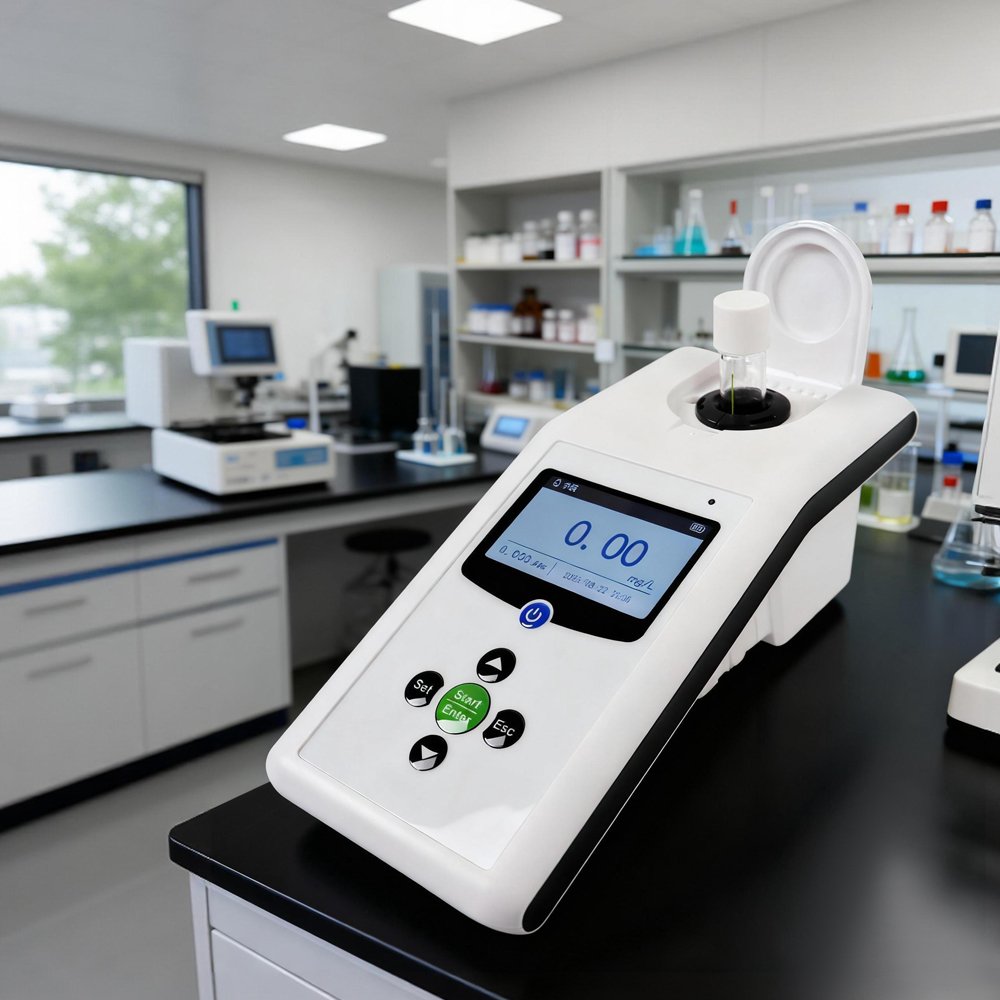
These devices operate primarily on two principles: colorimetric (DPD method) and electrochemical (amperometric). Colorimetric models use reagents that react with chlorine to produce a color change, measured photometrically. Electrochemical sensors generate a current signal proportional to the chlorine concentration when it reacts at an electrode surface. Modern detectors are often portable for field use or benchtop for laboratories, featuring digital displays for easy reading.
Key advantages include rapid response, high sensitivity, and user-friendly operation. By providing accurate, real-time data, residual chlorine detectors are crucial for verifying that water is safe for consumption and use, helping to prevent both under-disinfection (microbial risks) and over-disinfection (harmful disinfection by-products). They are indispensable tools for effective water quality management and public health protection.